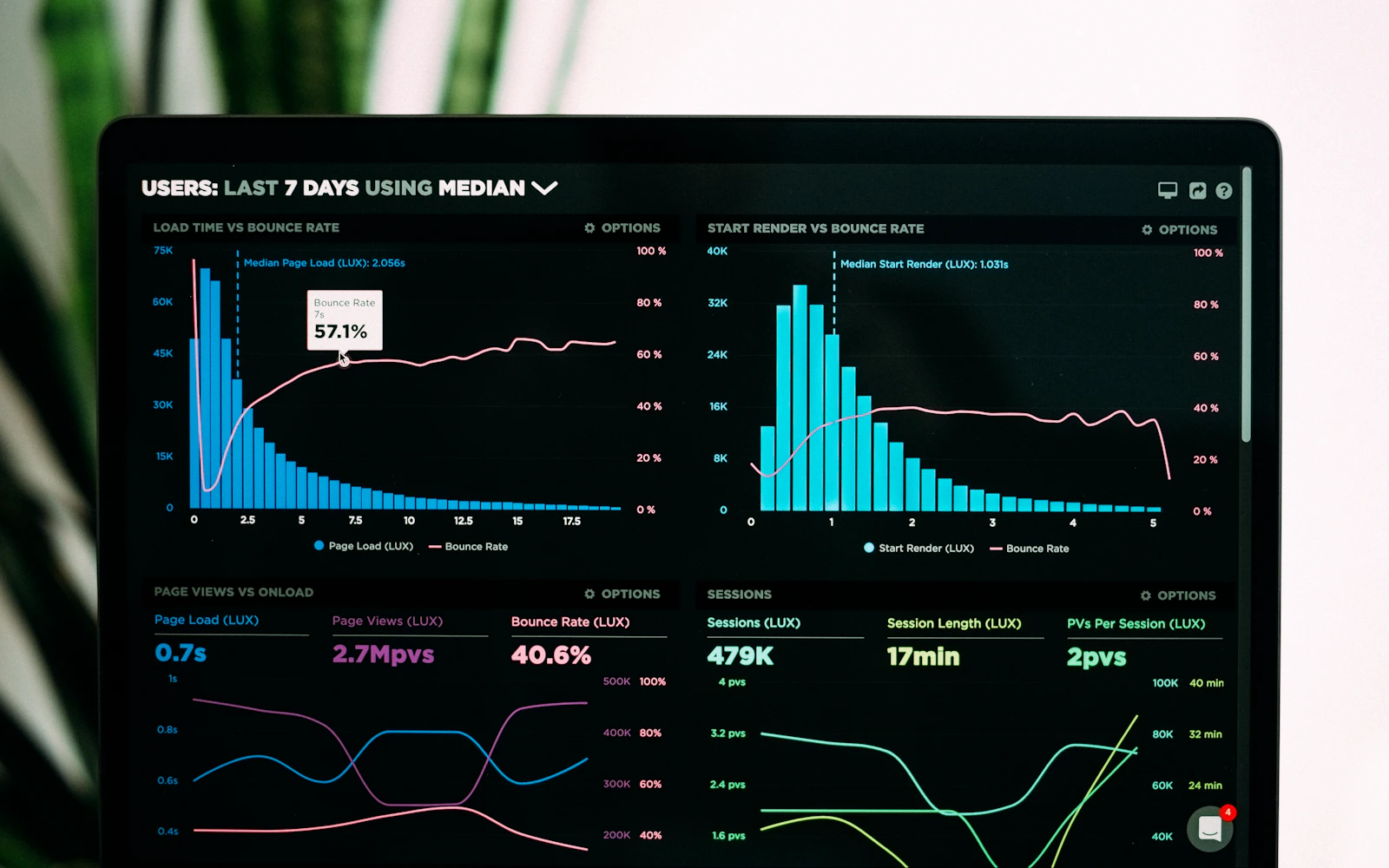
Real-time systems often treat every update as a reason to demand attention. The result is a screen that moves constantly while the operator’s understanding stands still.
Separate change from consequence
Not every new value changes the operational state. Interfaces should distinguish background movement from a threshold crossed, a dependency affected, or a decision required.
The question is not whether data is new. It is whether the new data changes what someone should do.
Use motion to preserve context
Movement is most helpful when it explains where an item came from, why its priority changed, or how the current view relates to the previous one. Animation should reduce the cost of following change, not compete with it.
Design for the long shift
An interface that feels exciting for thirty seconds can become exhausting over eight hours. Calm contrast, stable placement, explicit priority, and quiet transitions are not aesthetic restraint. They are operational performance.